How We Help Storm-Damaged Buildings Recover Without Exploiting Disaster Zones
When a major storm hits, the damage is never just bricks and mortar, it’s people, livelihoods, and the heartbeat of entire communities. I’ve seen enough hurricane seasons to know that the real story starts after the winds die down and the water drains away. That’s when the flood of contractors arrives, some with good intentions, others with eyes on a quick payday.
We’ve made a conscious choice about which side of that line we stand on.
Not in It for the “Storm-Chasing” Game
There’s a whole segment of the construction industry built on chasing the next disaster. They roll into town with fast pitches and faster contracts, doing just enough to cash the check before moving on to the next zip code with FEMA tents. We don’t play that game.
Our approach is simple: if you’re part of our client family, we’ll be your Huckleberry. We’ll show up, roll up our sleeves, and help you recover, because we’ve already invested in you long before the storm made landfall.
A Humanitarian First, Contractor Second Mindset
When the Gulf Coast gets hammered, our first concern isn’t our bottom line, it’s our people, our clients, and our community. That means securing buildings so they don’t take on more damage. It means triaging which facilities need immediate attention to keep critical operations running. And it means using our technical skill to deliver solutions that last, not band-aids that fail in the next storm.
Experience That Shortens the Recovery Curve
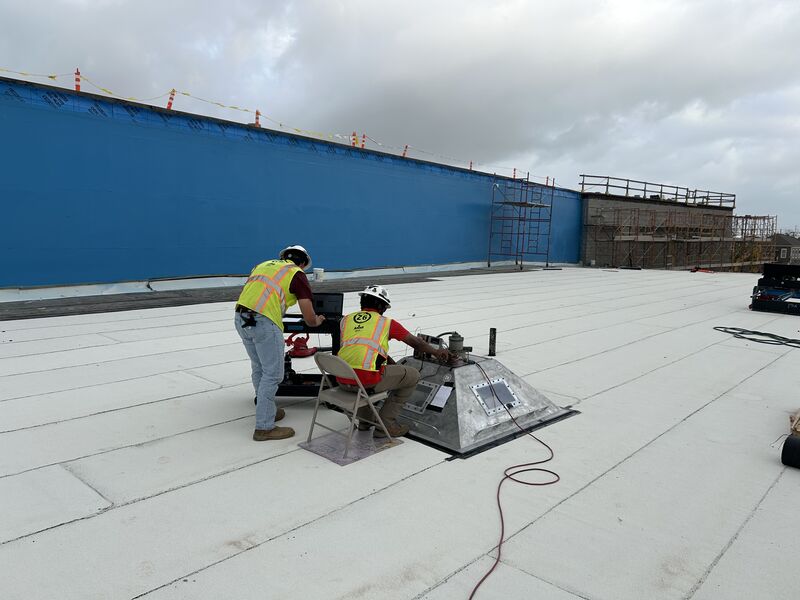
We’ve been through enough recovery efforts to know that speed matters, but so does doing it right the first time. Our crews are trained across multiple disciplines, so we can pivot fast: forensic inspections to assess hidden damage, testing to confirm safety, and targeted repairs that address both visible and structural issues.
That cross-training means fewer handoffs, fewer delays, and more confidence that the fix will hold long after the news trucks have left town.
Respecting the Community, Not Just the Contract
One of the worst things a disaster zone can face is the “hit-and-run” contractor effect. It leaves behind unfinished work, warranty headaches, and a bad taste in the community’s mouth.
We counter that by working with local teams whenever possible, bringing in only the additional resources needed to get the job done. That keeps money in the community, helps rebuild local capacity, and ensures there’s someone around to stand behind the work when the dust settles.
Long-Term Resilience Over Short-Term Profit
Every recovery project is also an opportunity to make the building better than it was before the storm. Stronger envelopes, smarter drainage, more resilient materials, these aren’t just upgrades, they’re insurance against future heartbreak.
We talk with clients about what the storm taught us about their structure, and we build those lessons into the repair. The goal isn’t just to pass inspection today, it’s to stand strong through the next ten years of Gulf Coast weather.
The Bottom Line
Helping storm-damaged buildings recover is about more than patching holes and cutting checks. It’s about honoring the trust that clients place in us, doing the right thing even when no one’s watching, and making sure that when the next storm comes, those buildings, and the people inside them, are better prepared.
We’ll never be the crew that shows up chasing headlines. We’ll be the crew that shows up because you’re our people. And that makes all the difference.